Trusted Spider Control Sudbury for Businesses as Well as Businesses
Spiders often control insect prey, but a large number of spiders, spider webs, or egg sacs can point to a wider pest issue. These pests often gather near moisture, dark areas, exterior lights, windows, doors, and places where smaller insects are active.
Professional Spider Control Sudbury services address the cause of the problem, not only the visible spiders. A qualified pest control technician can inspect the property, identify the species, locate entry points, remove webs, and create a practical plan for long-term protection. This approach works for houses, apartments, offices, retail spaces, warehouses, and other commercial properties.
Mosquito Man is one business that may provide pest services for property owners seeking help with spider concerns. Before treatment begins, ask what the service includes, which products may be used, how occupants should prepare, and whether follow-up support is available.
Why Professional Spider Control Matters
A few spiders may not call for professional attention. A spider seen repeatedly in the same area, web accumulation around windows, or spiders appearing across a building tells a clearer story. These signs often point to suitable shelter, a reliable food source, or several openings that allow pests to enter.
A spider infestation can affect more than how a property looks. Dense spider webs gather dust and debris. Egg sacs may release many young spiders. In a business, webs around entrances, lights, or customer-facing areas can make the property look poorly maintained. In a home, spiders may move from garages and basements into rooms where you spend time.
Professional spider control supports property protection by dealing with conditions that attract spiders. A pest control technician can inspect the structure, locate insect activity, and apply treatment where it has the greatest effect. The goal is not to spray every surface. The goal is to limit harbourage, reduce food sources, and stop access wherever practical.
DIY products may kill a spider that you can see, but they rarely address hidden egg sacs, cracks, exterior nesting areas, or the insects that spiders feed on. A professional service adds a detailed check, pest identification, safe handling, and follow-up advice to the spider removal process.
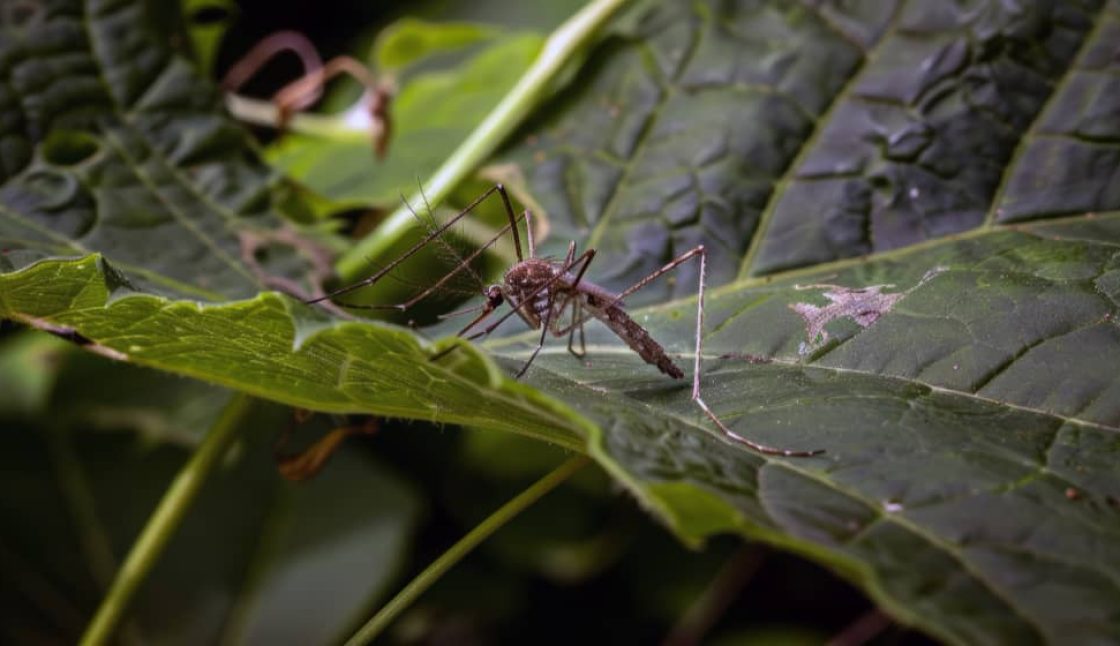
Common Spiders Found in Homes and Businesses
Proper pest identification work can determine the right response. Spiders vary in size, habits, preferred habitat, and medical importance. A clear image can help, but a pest professional may need to assess the spider, web pattern, egg sacs, and conditions around it.
- House spider: This frequently seen spider often makes irregular webs in corners, windows, sheds, and calm areas indoors. It usually stays away from people but can become a problem when webs accumulate.
- Cellar spider: Often seen in basements, storage rooms, crawl spaces, and other damp areas, the cellar spider has slender, long legs. It may create loose webs in ceiling corners and around pipes.
- Wolf spider: A wolf spider usually hunts rather than relying on a fixed web. It may come inside through doors, gaps, and foundation openings, especially when outdoor conditions vary. Its size can worry people even when it is not aggressive.
- Black widow spider: A black widow spider requires cautious handling because its bite can cause serious symptoms. It prefers protected, undisturbed spaces. Do not pick up an unknown spider or reach into a dark area without inspecting it first.
Not every big or dark spider is a black widow spider. A pest expert can distinguish species and explain whether the risk requires immediate attention. Avoid crushing or collecting a spider by hand. If a bite occurs, seek medical help promptly and preserve a good description or photo if it is safe to do so.
Indications You May Need Spider Treatment
Routine cleaning may clear away a single web. It will not solve an ongoing source. Check for these signs before deciding whether to arrange a professional inspection:
- Web buildup: New webs appear soon after cleaning, especially around eaves, light fixtures, basement ceilings, windows, or storage areas.
- Seeing spiders: You see spiders during both day and night, notice them in several rooms, or notice them near doors and utility openings.
- Egg sacs: Small silk sacs appear in corners, behind stored items, under furniture, or along exterior walls. Removing visible sacs does not ensure that others are hidden.
- Insect activity: Flies, moths, ants, and other insect prey are active around lights, garbage areas, food storage, drains, or moisture sources.
- Recurring seasonal activity: Spiders return in the same locations each year, suggesting persistent entry points or outdoor harbourage.
Call for spider treatment when the problem interferes with sleep, daily use of a room, staff comfort, customer impressions, or safe access to storage areas. Prompt infestation control also makes sense when a household member or employee is uneasy about handling spiders or when a potentially harmful species is suspected.

The Way Professional Spider Control Works
A reliable service starts with a property inspection rather than an automatic spray. The technician assesses the building, asks when spider activity began, inspects areas where spiders gather, and considers moisture, lighting, clutter, and insect prey.
The following step is pest identification. Species, web location, spider age, and the number of egg sacs can influence the treatment plan. The technician may recommend indoor treatment, exterior work, physical exclusion, sanitation changes, or a combination of these measures.
Targeted treatment focuses on cracks, voids, harbourage areas, and the exterior perimeter. Product selection and application should match the building, occupants, pets, and the level of activity. A follow-up visit may be advised when the property has extensive web buildup or several active areas.
Professional spider control should include clear preparation instructions. You may need to relocate items away from walls, keep people and pets away during application, or avoid treated areas until the technician says they are ready for use.
Inspection and Source Identification
During a professional inspection, the technician examines entry points around doors, windows, utility lines, vents, foundation joints, and roof edges. Small gaps can provide easy access, particularly when exterior lights attract flying insects.
Harbourage areas may include stacked materials, dense vegetation, wood piles, unused equipment, wall voids, and cluttered storage spaces. Indoors, the technician may inspect basements, garages, ceiling corners, mechanical rooms, and areas behind appliances.
Moisture matters because damp conditions encourage insects and create sheltered places for spiders. Leaking pipes, condensation, poor drainage, and wet storage areas need attention. Lighting conditions also influence activity. Bright lights near doors can draw insects, which in turn attract hunting spiders and web-building species.
This source identification gives you clear actions to take. It may show that sealing one gap will help more than applying product across an entire room. It can also reveal a separate insect problem that needs treatment as part of the spider control plan.
Management and Spider Web Removal
After reviewing the findings, a technician may place a residual insecticide on approved surfaces where spiders travel or rest. A residual insecticide continues to work for a period after application, but its use must comply with the product label and safety requirements.
Web removal removes visible spider webs from walls, ceilings, eaves, signs, light fixtures, and other surfaces. This improves appearance and removes places where spiders may remain. Web removal alone is not enough if egg sacs, entry points, or insect activity remain.
Crack and crevice treatment applies product in narrow gaps where spiders hide. Exterior perimeter treatment may cover foundation edges, door frames, window frames, utility penetrations, and other likely routes into the building. A targeted application cuts unnecessary exposure and keeps the treatment focused.
Ask the provider which areas will be treated, what preparation is required, and how long the application needs to dry. A safe treatment depends on correct product use, good communication, and cooperation from everyone using the property.
Spider Treatment for Households
Residential spider problems often begin in basements, garages, storage rooms, window wells, and sheltered exterior areas. These locations create darkness, moisture, low disturbance, and access to insect prey. Spiders may then enter through windows and doors, gaps under thresholds, or openings around pipes and cables.
A home service should fit the household’s routines. The technician may treat chosen interior areas and pay closer attention on exterior access points. You can back up the work by vacuuming webs, reducing stored cardboard, keeping firewood and unused materials away from the structure, and reporting recent spider sightings.
Pet-safe pest management requires forethought. Tell the provider about dogs, cats, birds, reptiles, fish, and other animals before treatment. Ask how to protect food bowls, bedding, aquariums, cages, and toys. Pet-safe pest control does not mean every product is safe for every animal in every situation. Follow the technician’s instructions about moving items, ventilation, and re-entry.
Do not put your hands into boxes, shoes, wood piles, or dark gaps without checking first. Shake out stored clothing and keep children away from treatment areas until the service provider verifies they are safe.
Arachnid Treatment for Commercial Properties
A commercial property needs a program that keeps safe workers, clients, stock, and regular service. Spiders often appear around entrances, delivery areas, waste storage, outside signs, lit areas, washrooms, basement areas, and utility rooms. Food businesses may also have bug activity that attracts spiders.
Business pest control should cover customer-facing areas without affecting normal service. A technician can arrange treatment during after-hours periods, quieter times, or scheduled basics maintenance periods. Service scheduling should consider janitorial work, incoming shipments, staff access, and any site policies.
Workplace safety comes first. Employees should know which areas require temporary access controls and what preparation steps apply. Keep work records and product details available according to your internal procedures and legal requirements.
For a bigger commercial property, the provider may mark inspection areas and record activity over time. This makes it easier to spot repeat issues near a particular door, light, stockroom, or water source. Regular scheduled treatment may be suitable when the building has recurring seasonal spider activity or a high level of public traffic.
How to Prevent Spiders from Coming Back
Expert treatment works best when you correct the conditions that allow spider activity. Start with practical changes that block access, shelter, and food.
- Blocking gaps: Use appropriate sealant around utility openings, foundation joints, door frames, and window frames. Replace damaged weatherstripping and close gaps under doors.
- Repairing screens: Fix holes in window screens, door screens, vents, and other barriers. Make sure that screens fit tightly at the edges.
- Reducing clutter: Store materials off the floor and remove unused boxes, paper, fabric, and equipment in basements and garages. Keep outdoor storage orderly and away from walls where possible.
- Outdoor light control: Turn off unnecessary lights, use timers, and position required lights away from doors when practical. Less insect activity near entrances can lower spider activity.
- Managing moisture: Address leaks, improve drainage, dry damp storage areas, and address condensation. Fewer damp conditions can mean fewer insects for spiders to hunt.
- Regular cleaning: Vacuum webs and corners, clean window frames, and remove insects caught near lights. Dispose of vacuum contents quickly.
These steps strengthen spider prevention, but they may not remove an established infestation. If webs come back soon or spiders appear in several areas, arrange a professional inspection instead of repeating surface cleaning.
Choosing a Spider Control Professional
Look for a licensed technician who shares the findings in plain language. Ask how the company will identify the spider, locate entry points, protect occupants, and confirm whether follow-up work is needed.
A written treatment plan should explain the areas included, the type of service, preparation requirements, safety instructions, and expected timing. Be cautious of unclear promises or a one-size-fits-all application that ignores the building’s condition.
Check whether the provider follows integrated pest management. This method combines inspection, sanitation, exclusion, monitoring, and carefully selected treatment. It aims to address the cause of the problem while limiting unnecessary pesticide use.
Confirm what a service guarantee covers. A service guarantee may include a follow-up visit within a stated period, but terms vary. Ask whether the guarantee applies to new sightings, active webs, specific treatment areas, or only certain pest species. Request the details in writing before approving the work.
Cost should reflect the property size, number of treatment areas, access, infestation level, and follow-up needs. The lowest quote may not include web removal, exterior work, or prevention advice. Ask for an itemized explanation so you can compare services accurately.
Frequently Asked Questions
How can I prevent spiders in my Sudbury home?
Clear clutter in the basement and garage, repair screens, seal gaps around windows and doors, manage moisture, and limit unnecessary outdoor lighting. Vacuum spider webs regularly and address insect activity. If spiders return quickly, professional spider prevention can find hidden entry points and harbourage areas.
Which spiders are common in Sudbury?
Common indoor and property spiders include the house spider, cellar spider, and wolf spider. A black widow spider is not often seen but should not be handled. Correct pest identification matters because appearance alone can be misleading. Speak with a pest control technician if you are unsure what you have found.
Are spiders in Sudbury dangerous?
Most spiders stay away from people and are not dangerous when left alone. A bite can still occur if a spider is trapped against skin or handled. Take care around unknown spiders, egg sacs, wood piles, boxes, and dark storage areas. Request medical advice after a concerning bite, especially if symptoms are severe or worsening.
When should I call a spider control professional?
Call when you see repeated spider sightings, fast web buildup, egg sacs, spiders in several rooms, or signs of insect prey. Professional help is also sensible when a possible black widow spider is found, when spiders affect a workplace or customer-facing area, or when cleaning does not stop the activity.
What is the cost of spider control cost in Sudbury?
Service cost is based on the property size, type of spider, severity of the infestation, site access, number of areas, and whether the service includes spider web removal, outside treatment, or a follow-up visit. Ask for a property inspection and an itemized estimate. This gives you a more useful comparison than a price based only on a short phone explanation.
Are spider control treatments safe for pets?
Yes, your pets can be considered when planning treatment when the provider receives full details about the animals and follows product directions. Take away pets, food, water bowls, bedding, and toys as instructed. Check the ventilation and re-entry times. Pest control designed for pets still requires careful preparation and compliance with the technician’s safety guidance.
How fast can a spider infestation be removed?
Visible spiders and spider webs may decrease after the first service, but full removal of the infestation depends on the source, egg sacs, insect activity, entry points, and the property’s condition. Some buildings need a follow-up visit or preventive treatment. Your provider should explain what results to expect and when to call about further spider activity.